
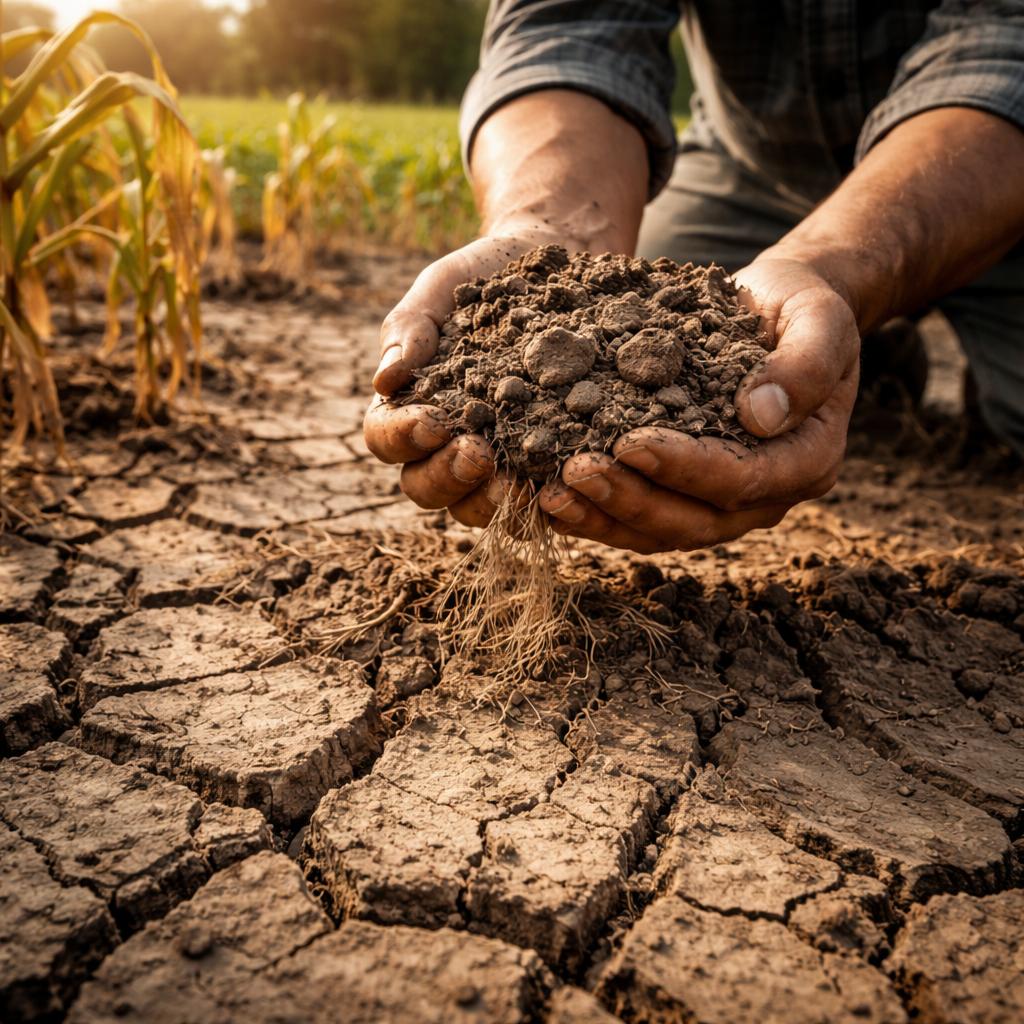
Soil is the most valuable asset for every farmer. However, in many parts of India, soil fertility has been steadily declining over the past few decades. Farmers are facing problems such as reduced productivity, higher fertilizer requirements, and poor soil structure. Understanding the reasons behind this decline is the first step toward restoring healthy and productive soils.
Reasons Behind Declining Soil Fertility
1. Excessive Use of Chemical Fertilizers
Chemical fertilizers provide nutrients quickly to crops, but excessive and continuous use without balanced soil management can reduce soil organic matter and disturb natural microbial activity.
2. Declining Soil Organic Matter
Organic matter is essential for maintaining soil structure, moisture retention, and microbial life. When crop residues and organic inputs are reduced, soil loses its natural fertility and biological activity.
3. Loss of Soil Microbial Life
Healthy soil contains billions of beneficial microorganisms that help in nutrient cycling and root development. Excessive chemicals and poor soil management practices can reduce this microbial diversity.
4. Soil Compaction and Poor Structure
Frequent cultivation and lack of organic inputs can make soil hard and compact. This restricts root growth, reduces aeration, and affects water infiltration.
5. Imbalanced Nutrient Management
Many soils receive only nitrogen, phosphorus, and potassium fertilizers while micronutrients and organic components are ignored. Over time, this imbalance weakens soil productivity.
How Farmers Can Restore Soil Fertility
Restoring soil health requires a holistic approach that focuses on improving soil biology and organic content.
Increase Organic Matter
Adding compost, farmyard manure, and crop residues can help improve soil structure and microbial activity.
Encourage Soil Microbial Activity
Beneficial microbes play an important role in nutrient transformation and root health. Practices that support microbial life can significantly improve soil fertility.
Balanced Nutrient Management
Applying nutrients in balanced proportions, including micronutrients, helps maintain long-term soil productivity.
Improve Soil Structure
Practices that improve soil aeration and moisture retention help roots grow deeper and stronger.
Adopt Soil Health–Focused Farming
When farmers focus on improving soil health rather than only increasing fertilizer inputs, the soil becomes more productive and resilient.
Building the Future of Sustainable Agriculture
Healthy soil leads to stronger crops, better nutrient efficiency, and improved resilience to environmental stress. Restoring soil fertility is not only essential for farmers’ livelihoods but also for ensuring long-term agricultural sustainability.
At Mahajai Agritech Solutions, we believe that agriculture must start with empowering the soil. By promoting soil health–focused practices and innovative agricultural solutions, our aim is to help farmers build productive and sustainable farming systems.
Conclusion
India’s agricultural future depends on the health of its soils. By restoring soil biology, improving organic matter, and adopting balanced farming practices, farmers can rebuild soil fertility and ensure long-term productivity for generations to come.
“Soil Health: The Foundation of Sustainable Agriculture”